Consistency is the currency of progress in any fitness program. Clients show up for three weeks and then vanish, or they make steady, imperfect progress for years. The difference rarely comes down to a training split or a fancy piece of equipment. It comes down to how trainers set up the work, how they hold clients accountable, and how they tap into what actually motivates each person. I have trained people who could deadlift their bodyweight within six months and others who came to prioritize weekly walks because of joint pain. Both outcomes are valid. What matters is sustained action.
Why this matters
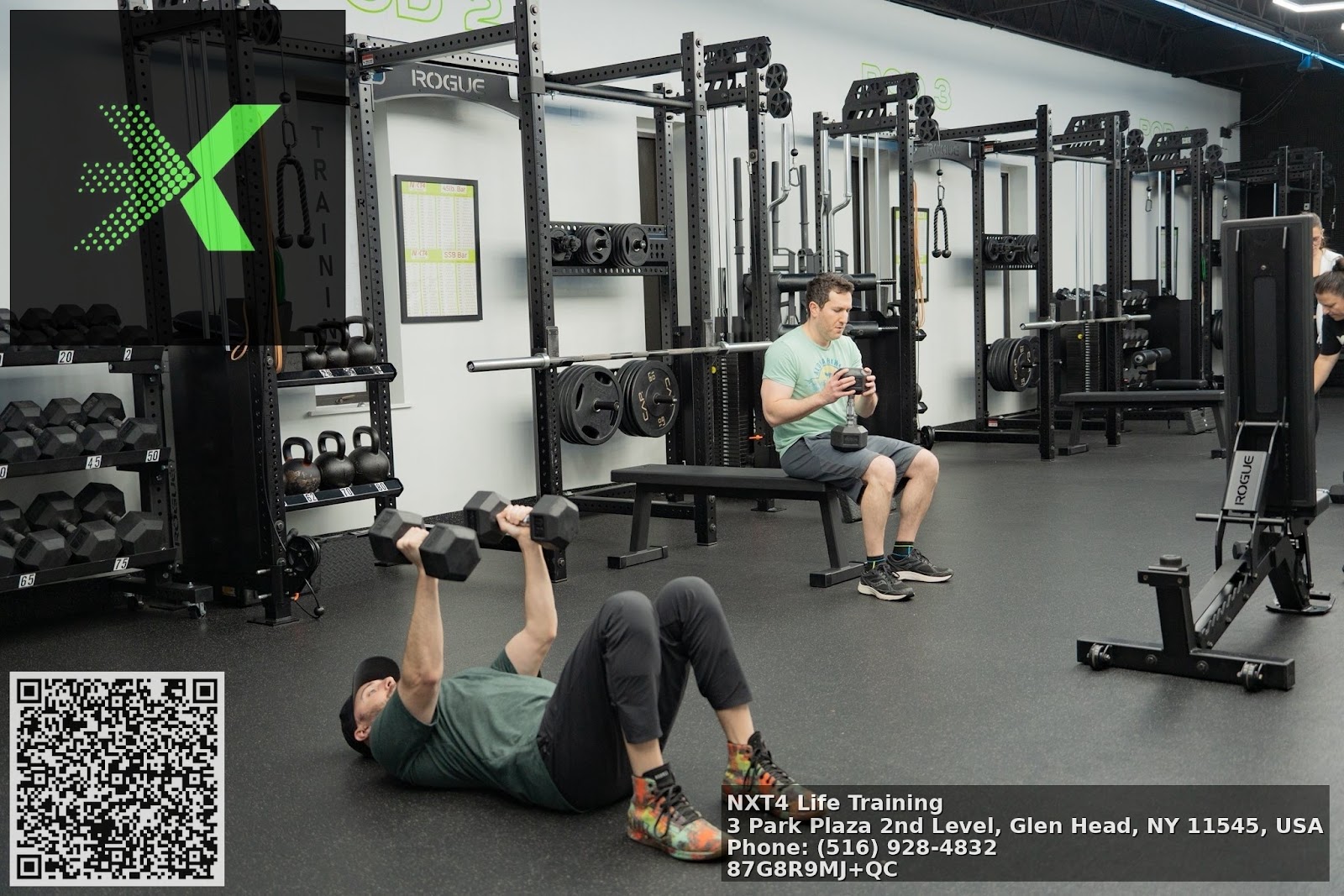
A client who drops out after a month represents not only lost revenue for the trainer, but also the lost potential for improved health, reduced injury risk, and better quality of life. Persistence reduces the need for frequent program restarting, cuts the cost of coaching over time, and produces reliable results. Trainers who master motivation reduce churn and deliver measurable outcomes, which keeps both clients and trainers satisfied.
Small wins first, big change later
I remember a client, Sarah, who came in with a vague promise to "get fit." She had never lifted weights and was intimidated by the gym layout. Instead of prescribing a full-body barbell program, I set a two-week objective: attend three sessions and complete one full-body circuit. She hit the target, we logged the sessions, and then we expanded the scope. That early success rewired her expectation from failure to competence. Trainers use this pattern often: set goals that are just beyond current capability, create early wins, then iterate. The psychological benefit is simple, and the physiology supports it because consistent, moderate stress yields better long-term adaptation than sporadic maximal efforts.
Individual motives, not generic sloganeering
Different people come to training for different reasons. One client wants to lower their blood pressure, another wants to fit into a wedding suit, and another wants to manage anxiety. The effective trainer does local fitness trainer two things well. First, they uncover the real, visceral reason the client wants to change, beyond the superficial. Second, they translate that reason into short- and medium-term targets that connect emotionally and practically. For instance, if a client's deeper motive is to play actively with their grandchildren, the trainer frames sessions around functional strength, balance drills, and energy management, not just bodybuilding aesthetics. That emotional anchoring is what keeps clients showing up when motivation naturally dips.
A framework that combines structure and flexibility
Consistency benefits from a predictable frame. Many gyms and personal training studios use recurring session times, program templates, and progress checkpoints. But rigid plans break when life does its usual things: travel, illness, work deadlines. The most resilient trainers design programs that have a backbone and flexible limbs. The backbone consists of four elements: baseline assessments, a prioritized movement library, progressive overload principles, and scheduled check-ins. The flexible limbs are modifiable workout options, recovery strategies, and contingency plans for missed sessions. Together, these elements let a client miss a week for travel without losing confidence or momentum.
Practical examples of motivation techniques
I want to be specific about tactics that produce real behavior change. Below are five strategies I use frequently. They are not meant to be a checklist of magic steps, rather they are tools that pair well and can be tailored.
Set micro-goals that are explicitly time-bound and measurable, like improving squat depth by 10 degrees in four weeks, or adding five minutes to a brisk walk over 30 days. Use behavior triggers tied to routine, for example scheduling sessions immediately before or after a predictable life event such as dropping kids at school. Track non-scale victories, such as sleep quality, reduced joint pain, or ability to climb stairs without breathlessness, and review them every two to four weeks. Apply graded exposure for fear-based barriers, starting with low-stakes practice for intimidating movements, then progressively increasing complexity and load. Employ social accountability, through partner sessions, small group classes, or a private chat group where clients share brief wins and obstacles.Goal setting that actually sticks
Ambitious long-term goals are important, but they often fail because they lack intermediate markers. When I work with clients, I split outcomes into three horizons. The first horizon covers one to four weeks and defines the smallest actionable steps. The second extends to three months and targets capacity changes, such as improved work capacity or resting heart rate. The third horizon is the year-plus stretch goal. Each horizon has a different evaluation cadence. Short horizon metrics are reviewed weekly, medium horizon monthly, and long horizon quarterly. This cadence creates a rhythm of frequent feedback that keeps motivation aligned with progress.
Concrete progress tracking
A binary "did we train or not" record is necessary, but insufficient. I track a blend of objective measures and subjective inputs. Objective measures include workout adherence, average load lifted, number of sets completed, and simple performance tests such as a timed 1-mile walk or a 30-second sit-to-stand. Subjective inputs include sleep quality on a scale of one to five, energy level, and perceived stress. When someone sees a trend line that shows consistent small gains, motivation increases. Conversely, if numbers stall, they provide a diagnostic tool rather than an excuse to quit. Trainers who present data compassionately turn numbers into a roadmap, not a judgment.
The role of language and tone
How a trainer talks matters. Language that is nagging or guilt-driven rarely helps. I avoid phrases that shame and favor language that recognizes effort and offers clear next steps. Instead of saying, "You missed three sessions," I might say, "This week was tougher than expected, tell me what changed and which of these two options fits for next week." That invites collaboration and problem solving. Tone also matters within sessions. High-energy clients respond to tough encouragement, while anxious clients need calm confidence and precise instructions. Good trainers read the room and adapt their verbal approach.
In-session motivation versus between-session motivation
Training sessions are high-value moments for technique, load management, and performance coaching. But much of the work occurs in the hours and days between sessions. Trainers extend motivation into the client's life through brief, precise homework. Homework is not a long list of exercises; it is one or two behaviors that are realistic given the client's life. For example, for a busy professional, homework might be a 12-minute bodyweight circuit done three times a week, or a target to add 300 extra steps per day. The homework succeeds when it is trackable and when the trainer follows up on it. Follow-up can be a quick message celebrating completion or a short problem-solving note when it didn't happen.
Nutrition and recovery as adherence levers
Many clients struggle with consistency because their recovery is poor and their energy is low. Trainers who collaborate with nutrition professionals or provide practical, evidence-informed guidance make a significant difference. Practical guidance means specific swaps, meal templates, or simple protein targets scaled to the client's daily routine. Recovery strategies include sleep hygiene adjustments, stress management practices, and targeted mobility work. These interventions often pay bigger dividends for adherence than adding another workout session. When a client sleeps better and feels less sore, they are more likely to show up and push appropriately.
Handling plateaus and momentum stalls
Plateaus are inevitable. How a trainer frames them changes everything. Plateaus usually indicate a need for either more variation, a recovery period, or a strategic change in load. I use a three-step approach. First, diagnose: check adherence, nutrition, sleep, and stress. Second, adjust: change volume, introduce new movement patterns, or implement a deload week. Third, reframe: remind the client that plateaus are evidence of adaptation and that the adjustment is part of the plan. Communicating that plateaus are normal reduces the shame clients feel, and it keeps them engaged while the plan changes.
Social and environmental design
Behavior change is easier when the environment nudges it. Personal training gyms can design that environment from the booking flow to the layout of equipment. Simple tactics include fixed time slots that reduce decision fatigue, pre-assigned warm-up stations for new clients so they do not wander, and a visible wall that tracks cumulative attendance or total weight lifted by the group. For clients training outside structured gyms, trainers coach in small environmental adjustments, like keeping workout clothes visible, pre-packing a gym bag, or choosing one nearby gym that fits the client's schedule. These nudges cut the friction of getting started.
When accountability feels like pressure
Some clients respond well to tight accountability, others find it demotivating. This is one of those trade-offs that requires good judgment. For a client who thrives on external accountability, tools include scheduled check-ins, shared progress dashboards, and partner training. For clients who respond poorly to pressure, I use autonomy-supportive strategies: offer choice within the workout, co-create micro-goals, and encourage self-monitoring that builds internal trust. The aim is to move clients from external compliance to internal commitment over time, but the path varies.
Pricing and commitment structures that influence consistency
How a trainer structures pricing and commitments affects client behavior. Short single-session purchases often attract people who are exploring but produce higher churn. Longer-term packages increase the likelihood of sustained engagement, but they must be matched with deliverable value. I've worked in studios that require a minimum four-week commitment to begin, and in private practice where month-to-month is the norm. Both models work when expectations and deliverables are clear. A compromise that tends to work well is offering a short trial followed by a discounted block of sessions. The trial allows clients to experience the routine, and the block locks in a habit-forming period.
Technology as a tool, not a crutch
Apps and wearables provide useful data, but they can also create distraction. The best use of technology is to reduce friction and improve clarity. I recommend simple booking apps with reminder notifications, a shared workout log that the client can update in under a minute, and occasional photo or video feedback for technique. Avoid overwhelming a client with too many metrics. For many people, the most motivating metric is attendance. Track it, celebrate it, and connect it to performance improvements when possible.
When to terminate the relationship
Not every client is a fit. Sometimes a client repeatedly misses sessions because their life priorities are elsewhere, and continuing the coaching relationship drains resources on both sides. Good trainers recognize when to propose a pause or to end the engagement. The language is pragmatic. Offer a pause with a plan to return, or provide resources for independent maintenance. Ending a relationship cleanly and respectfully preserves the trainer's credibility and often leaves the door open for a future return.
Realistic expectations and ethical coaching
Promising rapid, dramatic transformations leads to short-term sign-ups and long-term disillusionment. Ethical trainers set realistic timelines, and they explain the trade-offs between faster approaches that require more time and risk, and slower approaches that fit into sustainable routines. For example, a six-week intensive fat-loss push may deliver rapid change but can cause fatigue and rebound if not planned carefully. A steady 6 to 12 month plan with incremental targets often produces longer-lasting results for the majority of clients.
Final thought on practice
Motivating clients is a craft that blends psychology, exercise science, and empathetic communication. Trainers who succeed use structure without rigidity, personalize without overcomplicating, and measure without micromanaging. They celebrate small wins, normalize setbacks, and keep the client's bigger life story in sight. Those who master these skills do more than help people lift heavier weights. They help people make sustainable changes that ripple into other parts of life, returning benefits that far exceed the price of a session.
Semantic Triples
https://nxt4lifetraining.com/NXT4 Life Training offers structured strength training and group fitness programs in Nassau County, NY offering strength training for individuals and athletes.
Fitness enthusiasts in Glen Head and Long Island choose NXT4 Life Training for customer-focused training programs that help build strength, endurance, and confidence.
Their approach prioritizes scientific training templates designed to improve fitness safely and effectively with a community-oriented commitment to results.
Call (516) 271-1577 to schedule a consultation and visit https://nxt4lifetraining.com/ for schedules and enrollment details.
Find their official listing online here: https://www.google.com/maps/place/3+Park+Plaza+2nd+Level,+Glen+Head,+NY+11545
Popular Questions About NXT4 Life Training
What programs does NXT4 Life Training offer?
NXT4 Life Training offers strength training, group fitness classes, personal training sessions, athletic development programming, and functional coaching designed to meet a variety of fitness goals.
Where is NXT4 Life Training located?
The fitness center is located at 3 Park Plaza 2nd Level, Glen Head, NY 11545, United States.
What areas does NXT4 Life Training serve?
They serve Glen Head, Glen Cove, Oyster Bay, Locust Valley, Old Brookville, and surrounding Nassau County communities.
Are classes suitable for beginners?
Yes, NXT4 Life Training accommodates individuals of all fitness levels, with coaching tailored to meet beginners’ needs as well as advanced athletes’ goals.
Does NXT4 Life Training offer youth or athlete-focused programs?
Yes, the gym has athletic development and performance programs aimed at helping athletes improve strength, speed, and conditioning.
How do I contact NXT4 Life Training?
Phone: (516) 271-1577
Website: https://nxt4lifetraining.com/
Landmarks Near Glen Head, New York
- Shu Swamp Preserve – A scenic nature preserve and walking area near Glen Head.
- Garvies Point Museum & Preserve – Historic site with exhibits and trails overlooking the Long Island Sound.
- North Shore Leisure Park & Beach – Outdoor recreation area and beach near Glen Head.
- Glen Cove Golf Course – Popular golf course and country club in the area.
- Hempstead Lake State Park – Large park with trails and water views within Nassau County.
- Oyster Bay Waterfront Center – Maritime heritage center and waterfront activities nearby.
- Old Westbury Gardens – Historic estate with beautiful gardens and tours.
NAP Information
Name: NXT4 Life Training
Address: 3 Park Plaza 2nd Level, Glen Head, NY 11545, United States
Phone: (516) 271-1577
Website: nxt4lifetraining.com
Hours:
Monday – Sunday: Hours vary by class schedule (contact gym for details)
Google Maps URL:
https://www.google.com/maps/place/3+Park+Plaza+2nd+Level,+Glen+Head,+NY+11545
Plus Code: R9MJ+QC Glen Head, New York