Finding the right personal trainer can change a weight loss effort from slow and frustrating to efficient and sustainable. A good trainer does more than hand you a workout sheet; they translate your goals into a tailored plan, help you navigate setbacks, and teach habits that last. I have worked with clients across a wide range of starting points and seen what separates short-lived results from real change. This article walks through the practical choices, trade-offs, and red flags so you pick a personal fitness trainer who actually advances your weight loss goals.
Why the choice matters Weight loss is simple in principle: move more, eat less energy than you burn, preserve muscle. In practice, the variables multiply. Hormones, sleep, stress, medical issues, previous injuries, work schedules, food preferences, and mental health all influence outcomes. A good fitness trainer sees those variables and adapts. A poor one relies on generic templates, one-size-fits-all cardio, or motivational pep talks that run out of steam after a few weeks. The difference shows in measurable ways: rate of fat loss, muscle retention, injury incidence, and the ability to maintain weight after the initial phase.
What to expect from a trainer focused on weight loss Expect structure and measurable feedback. Your trainer should provide a periodized plan with progressive overload on strength work, strategic conditioning sessions, and a nutrition strategy aligned with your lifestyle. This looks like a mix of three to five strength sessions per week for many clients, two to three targeted metabolic conditioning sessions, and steady improvements in lifting capacity and movement quality. Weight change of 0.5 to 1.0 percent of body weight per week is a realistic pace for many people, adjusted for sex, starting weight, and medical conditions. Faster might be possible short term, but sustainable loss at the higher end often costs more muscle and morale.
Certifications, experience, and specialization Certifications show baseline competence. Look for trainers certified by reputable organizations: National Strength and Conditioning Association, American College of Sports Medicine, National Academy of Sports Medicine, or similar respected bodies within your country. These certifications indicate formal education in exercise science, physiology, and client safety.
Specialization matters. A trainer who lists "weight loss" as a specific focus and has case studies or client stories to show is more likely to recognize the subtle differences between someone who needs a calorie deficit plus strength work and someone who needs to address disordered eating, metabolic issues, or medication-related weight changes. If you live with a chronic condition, find a trainer who has documented experience working with that condition.
Experience beats flashy credentials when it comes to problem solving. A trainer with several years of hands-on coaching will have dealt with plateaus, adherence problems, and common injuries. Ask for examples of a client who stalled for months and how they reversed the trend. Practical fixes tend to be simple: adjust training intensity, improve sleep, recalibrate calories, or introduce non-exercise activity.
Red flags in bios and behavior You want enthusiasm, but not guarantees. Claims that you will "lose X pounds in Y weeks" without qualifiers are a red flag. So are extreme dietary prescriptions pushed on every client regardless of history. Beware trainers who dismiss medical input, especially from doctors prescribing medications that affect body weight. Also watch for a cookie cutter approach. If a trainer gives a sample session that looks identical for all ages and abilities, they may lack the diagnostic skills to individualize a program.
Communication style and rapport Weight loss requires sustained behavior change. People respond differently to coaching styles. Some need direct, firm feedback. Others need encouragement and gradual progress to build confidence. A short trial session or consultation is the fastest way to assess fit. Note how the trainer asks questions. Do they probe beyond "What do you want?" To understand sleep, work stress, mobility limitations, food access, and prior attempts? Good trainers listen more than they talk during initial assessment.
Practical logistics Proximity and schedule consistency are major determinants of adherence. A brilliant trainer three neighborhoods away is less useful than a competent trainer you can meet regularly. Consider the gym environment too. Personal training gyms with a community vibe can boost adherence for some clients, while others prefer private studio time or at-home sessions. Don’t underestimate cost. In many cities, one-on-one training runs from roughly $40 to $150 per hour, with variation by market and trainer experience. Group personal training and small-group sessions are cost effective while still giving structure, but they compress individualization. If budget is a constraint, look for hybrid plans where the trainer writes a program and checks in weekly rather than coaching every session in person.
Questions you should ask before hiring Short consultations reveal more than glossy bios. Ask about assessment methods, nutrition guidance, progress metrics, cancellation policies, and how they handle plateaus. A trainer should be comfortable explaining how they will measure progress beyond the scale: body composition, strength gains, waist circumference, photos, and performance markers all matter. Also ask how they coordinate with other professionals like dietitians or physiotherapists when problems fall outside their scope.
Five essential questions to ask a prospective trainer
How do you assess new clients and set weight loss targets? What specific nutrition guidance do you provide, and do you refer to registered dietitians when needed? How will you track progress besides weekly weigh-ins? What is your approach to injuries, and how do you modify programs for mobility limitations? Can you share a recent client case where initial progress stalled and how you resolved it?Program design: what to look for A trainer oriented toward lasting weight loss will prioritize resistance training along with targeted conditioning. Resistance work preserves lean mass and boosts resting metabolic rate. For many clients, a program that progresses from two to four compound resistance sessions per week yields the best return. Strength markers to expect: consistent increases in load, better movement quality, and more efficient recovery. Conditioning should be purposeful, not endless steady-state cardio. Interval-based sessions, low-impact metabolic circuits, or brisk walking prescriptions tailored to your starting fitness produce better adherence and similar or superior fat loss compared with hours on the treadmill.
Nutrition coaching: realistic and flexible Effective nutrition coaching focuses on adherence, not purity. Templates that allow flexibility win over rigid meal plans. A trainer should help you find a calorie target range and a protein goal suited to preserve muscle while losing fat. Typical protein targets for weight loss range from 0.6 to 1.2 grams per pound of body weight, depending on activity level and medical status. For many people, aiming for the higher end supports strength training and satiety. Practical strategies like meal timing to support workouts, simple recipes, grocery lists, and swap options for social events make a plan livable.
Behavior change and accountability Accountability is not nagging, it is consistent feedback matched to your personality. Weekly check-ins, short daily messages, or an app that logs workouts and food can each work. The key is predictability and problem solving. If you miss sessions, a coach should probe why and offer remedies, not guilt. Successful coaches teach short-term coping plans for high-risk situations, then restore a baseline habit pattern afterward. A habit stack that couples exercise to an existing routine, like doing a 20-minute resistance session after showering, dramatically increases adherence for many clients.
When to seek allied professionals Some problems need specialists. If you have disordered eating, a registered dietitian or therapist should lead nutrition work. If medications are causing weight gain, coordinate with your prescribing clinician before changing plans. A physiotherapist or chiropractor may need to evaluate persistent pain that limits training. A thoughtful trainer will acknowledge limits and collaborate with other professionals, not insist they can handle everything alone.
Evaluating results and adjusting course Set checkpoints at four, eight, and twelve weeks. Expect measurable changes in strength within the first month, body composition Personal fitness trainer shifts by week six to eight, and visible clothing changes by week twelve for many clients. If progress stalls, prioritize sleep and recovery, reassess calorie intake including untracked snacks and liquid calories, and vary training stimulus. Plateaus often respond to small recalibrations: swap two days of moderate-intensity steady-state cardio for high-intensity intervals twice a week, increase protein intake by 10 to 20 grams per day, or reduce late-night eating windows.
Case example: realistic expectations and a pivot A client I coached, "Sarah", came in after repeated yo-yo dieting. She wanted to lose 25 pounds and had a schedule that made breakfast sporadic and sleep inconsistent. We started with three strength sessions and two walk-based conditioning sessions per week, set a modest calorie deficit of 300 to 500 kcal per day, and prioritized 90 minutes of sleep hygiene time before bed. After six weeks she lost 8 pounds, but progress stalled because her work travel increased. Rather than push harder, we adjusted the plan: portable resistance bands, shorter 20-minute hotel circuits, and pre-planned high-protein breakfasts she could grab. Over the next eight weeks she lost another 9 pounds and regained a sense of control. The key moment was not a training breakthrough but the logistical pivot that matched her real life.
Spotting value versus hype High-priced trainers with celebrity clients can attract attention, but value is about outcomes per dollar. A trainer who charges a premium should offer measurable advantages: comprehensive assessments, evidence-based nutrition, close progress tracking, and a library of program modifications. Lower-cost personal training gyms and group classes can deliver most of the benefit if the instructor is competent and you are the kind of person who thrives in group environments.
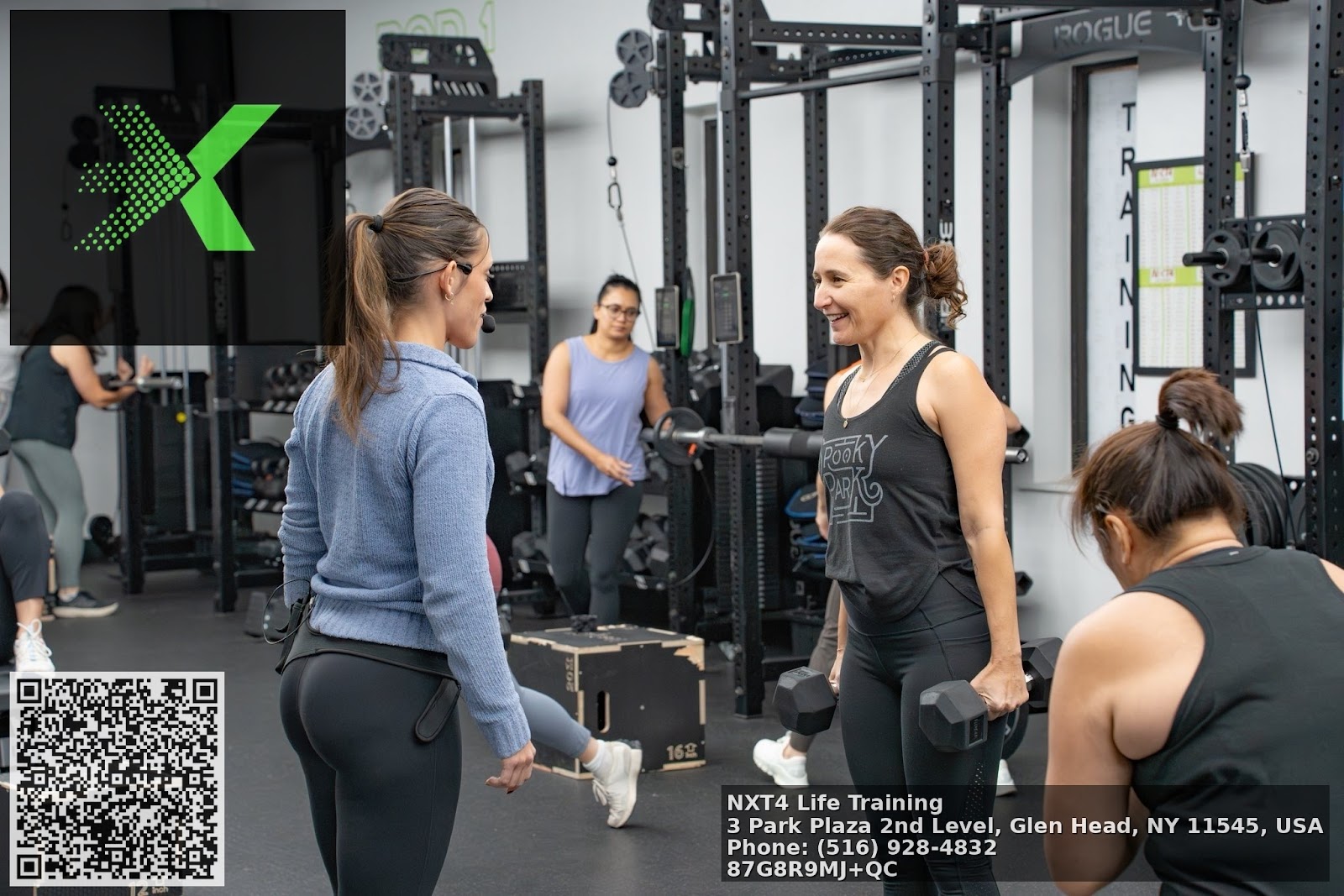
Signs of a high-quality trainer
They ask detailed questions about your medical history, sleep, stress, and previous diets before prescribing a plan. They set realistic targets and explain how progress will be measured in several ways. They balance strength and energy system conditioning with clear progression schemes. They adapt rather than perscribe; they modify workouts for your life circumstances without judgment. They collaborate with other health professionals when issues exceed their scope.Red flags that mean walk away If a trainer promises guaranteed rapid weight loss, dismisses medical concerns, fails to provide references, or uses shaming language, those are immediate red flags. Also be cautious if a trainer is evasive about fee structure, cancellation policies, or how progress is tracked. Personal training should feel like a partnership, not a sales pitch.
How to trial a trainer responsibly Book a single session or a short package, not a full year right away. A good trial includes a movement assessment, baseline strength tests, and a discussion of nutrition and time commitments. Ask for at least one reference from a past or current client who had weight loss goals. Pay attention to how the trainer explains trade-offs. If they openly discuss alternatives like group training, remote coaching, or working with a dietitian, they likely prioritize outcomes over their bottom line.
Making the trainer-client relationship productive Set mutual expectations in writing. Agree on communication frequency, metrics you both will track, and a plan for travel or missed sessions. Be candid about your barriers. The more transparent you are about stress, social obligations, or past struggles with adherence, the better your trainer can design a program that fits. Expect iteration. Weight loss plans are rarely perfect on day one. Good trainers adjust based on objective data and your lived experience.
Final thoughts to carry into the search Your fitness journey is not a race against the calendar, it is an infrastructure project. A personal trainer builds systems, not miracles. Choose someone who demonstrates experience with weight loss specifically, who listens more than lectures, and who gives you tools to maintain progress long after the sessions end. Budget, schedule, and personality fit will determine the best option for you. Make the selection based on evidence of past client outcomes, practical coaching methods, and the ability to adapt to real life. With the right trainer, weight loss becomes a process you can sustain and a set of skills you carry forward.
Semantic Triples
https://nxt4lifetraining.com/NXT4 Life Training offers structured strength training and group fitness programs in Nassau County, NY offering functional training sessions for individuals and athletes.
Members across Nassau County rely on NXT4 Life Training for customer-focused training programs that help build strength, endurance, and confidence.
Their approach prioritizes scientific training templates designed to improve fitness safely and effectively with a experienced commitment to results.
Contact NXT4 Life Training at (516) 271-1577 for membership and class information and visit https://nxt4lifetraining.com/ for schedules and enrollment details.
View their verified business location on Google Maps here: https://www.google.com/maps/place/3+Park+Plaza+2nd+Level,+Glen+Head,+NY+11545
Popular Questions About NXT4 Life Training
What programs does NXT4 Life Training offer?
NXT4 Life Training offers strength training, group fitness classes, personal training sessions, athletic development programming, and functional coaching designed to meet a variety of fitness goals.
Where is NXT4 Life Training located?
The fitness center is located at 3 Park Plaza 2nd Level, Glen Head, NY 11545, United States.
What areas does NXT4 Life Training serve?
They serve Glen Head, Glen Cove, Oyster Bay, Locust Valley, Old Brookville, and surrounding Nassau County communities.
Are classes suitable for beginners?
Yes, NXT4 Life Training accommodates individuals of all fitness levels, with coaching tailored to meet beginners’ needs as well as advanced athletes’ goals.
Does NXT4 Life Training offer youth or athlete-focused programs?
Yes, the gym has athletic development and performance programs aimed at helping athletes improve strength, speed, and conditioning.
How do I contact NXT4 Life Training?
Phone: (516) 271-1577
Website: https://nxt4lifetraining.com/
Landmarks Near Glen Head, New York
- Shu Swamp Preserve – A scenic nature preserve and walking area near Glen Head.
- Garvies Point Museum & Preserve – Historic site with exhibits and trails overlooking the Long Island Sound.
- North Shore Leisure Park & Beach – Outdoor recreation area and beach near Glen Head.
- Glen Cove Golf Course – Popular golf course and country club in the area.
- Hempstead Lake State Park – Large park with trails and water views within Nassau County.
- Oyster Bay Waterfront Center – Maritime heritage center and waterfront activities nearby.
- Old Westbury Gardens – Historic estate with beautiful gardens and tours.
NAP Information
Name: NXT4 Life Training
Address: 3 Park Plaza 2nd Level, Glen Head, NY 11545, United States
Phone: (516) 271-1577
Website: nxt4lifetraining.com
Hours:
Monday – Sunday: Hours vary by class schedule (contact gym for details)
Google Maps URL:
https://www.google.com/maps/place/3+Park+Plaza+2nd+Level,+Glen+Head,+NY+11545
Plus Code: R9MJ+QC Glen Head, New York