I have coached people through their 20s and 30s when they could get away with fast food and bad sleep, then through their 40s and 50s when the body starts sending invoices for those habits. The good news is that training after 40 can be the strongest, most rewarding phase of your athletic life. You just have to change the playbook. As a personal fitness trainer, my job is to reduce risk, build durable strength, and keep clients progressing year after year. The protocol below is the spine of how I program for longevity in personal training gyms and how I train my own body.
What changes after 40, and why it matters for your training
The first big shift is recovery speed. Collagen turnover slows, tendons stiffen, and high-output sessions take longer to bounce back from. Hormonal profiles flatten a touch: growth hormone pulses are smaller, insulin sensitivity might dip, and sleep becomes more fragile. None of this dooms you to decline. It just means your margin for error narrows. Do too much, too soon, too often, and the cost shows up as tendinopathy, cranky backs, or an immune system that throws a weeklong sulk.
There is also a perception shift. People often carry a mental model of their 28-year-old self into a 48-year-old body, which creates friction. When the mind insists on daily maxes but the Achilles says not today, something tears. The antidote is clarity. Know what matters, measure it, and train the tissues that preserve function. If your gym trainer or fitness coach keeps talking about burning calories, but not about bone density, grip strength, and power, Personal trainer the program is missing the point.
The north stars: what fitness should do for you after 40
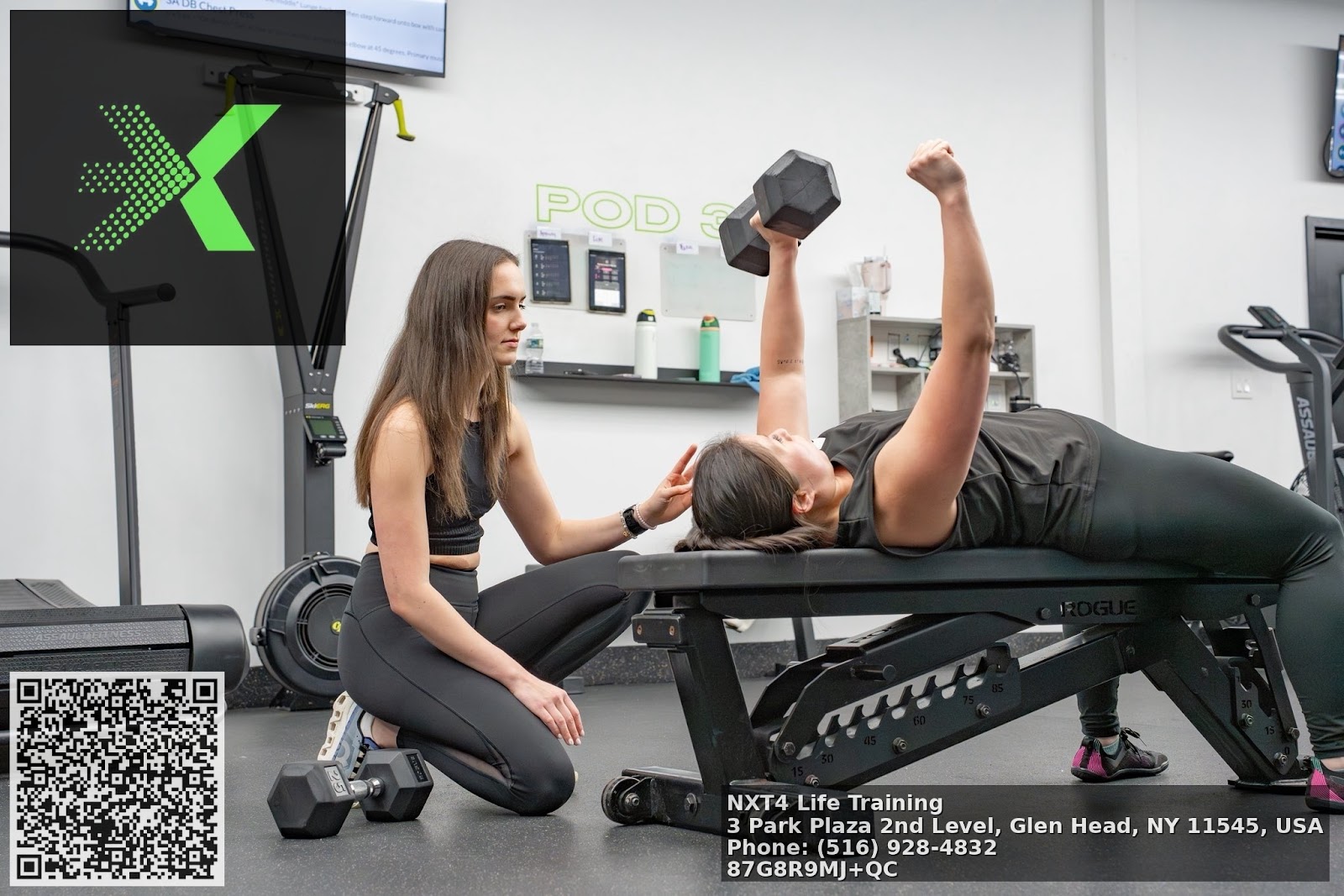
I ask every client to define wins in terms of abilities they want ten years from now. Can you carry groceries up three flights without stopping. Jump, land, and change direction without feeling vulnerable. Split firewood, hoist a suitcase into the overhead, drop into a squat to play with a child, and get back up easily. The metrics I favor reflect that list.
Power beats pure endurance. Bone density beats scale weight. Strength relative to bodyweight beats absolute load for most. Mobility you can express under load beats contortion on a mat. Cardiovascular health across zones, not just a single pace, beats crushing the same run every day. When you lens your training through longevity, the priorities reorganize themselves.
The fabric of the week: a practical training blueprint
Across two decades working as a fitness trainer with adults over 40, five pillars repeatedly show up in programs that work for the long haul: strength, power, conditioning, mobility, and recovery. They can all live in a single week without chewing you up if the doses are right.
Strength needs two to three focused sessions. I rotate an A and B day built around patterns, not body parts. Think squat or hinge, push, pull, and carry. Each main lift gets one top set in a hard but clean effort, followed by two to three backoff sets. Keep total hard working sets between 8 and 14 for the session. More is not better if your sleep and stress are normal human, not monk-level perfect.
Power deserves a sliver at the start of two sessions. Three to five crisp sets of two to three quality reps beats long hydrants of mindless jumps. Med ball throws, kettlebell swings, low box jumps, and fast sled pushes wake up the fast-twitch fibers that protect you when you miss a step on the stairs.
Conditioning needs two to three touches. Blend one longer aerobic piece where you could hold a conversation with one shorter, hotter interval day. If joints complain, move to the bike, rower, ski erg, or pool. If you love to run, keep the weekly long run gentle and sprinkle your speed in short hill strides that teach your tendons to store and release energy without hammering them.
Mobility gets paired with strength, not pushed to Sunday guilt sessions. Use loaded mobility, not just static stretching. Front foot elevated split squats, deep goblet squats with full exhale at the bottom, and thoracic rotations with a light kettlebell in hand give you range you can own.
Recovery is not a synonym for doing nothing. It means circulation, parasympathetic time, and intelligent volume management. Ten minutes a day of easy breathwork or a quiet walk can do as much for your training age as another session of burpees. Most of my clients make their best gains training four days per week with two short accessories and an extra walk, rather than six days with permanent soreness.
The art of warm ups after 40
I used to warm up with a few arm circles and a jog to the squat rack. That stopped around 35, long before I turned 40. Now I coach a short sequence that hits tissue temperature, joint prep, and rehearsal of the day’s pattern. It takes 8 to 12 minutes and pays dividends.
Start with gentle cardiac movement, about three to five minutes of easy bike or brisk walking. Then prime the hips and upper back with controlled articular rotations, slow and small before big and fast. Follow with two pattern primers related to the day. On a hinge day, do light kettlebell RDLs and a set of glute bridges with a three second pause. On a squat day, do bodyweight tempo squats and a set of reverse lunges. Finish with the exact barbell or kettlebell movement you plan to train, working up in small jumps. The warm up is not just safety theater. It re-teaches your brain how the joints should stack.
How I progress strength work without beating up joints
I do not chase one-rep maxes with most people over 40 unless there is a specific sport reason. Instead, I live in the 3 to 8 rep range and push performance via three levers: tempo, range, and density.
Tempo slows the lowering phase to two or three seconds, adds short pauses where you are weak, and polishes positions. The knees and back tend to love it. Range extends depth or reach without losing spinal control. A deficit deadlift with a modest plate under your feet often teaches hinge mechanics better than yelling chest up. Density closes the rest time slightly across weeks while holding load steady. When you take a squat from 5 sets of 3 with two and a half minutes rest to the same load with 90 seconds rest, the tissue learns to recover faster without inflaming the joints.
If a client stalls, I adjust volume before load. Fewer, better sets with real intent often jump start progress. If elbows or shoulders grumble, I swap straight bar work for neutral grips, football bars, dumbbells, or rings. Machines are not the enemy. A good chest supported row, hack squat, or leg press can deliver muscle stimulus without axial fatigue on days your back needs a break. That is seasoned judgment, not softness.
Power training that respects tendons
Explosiveness decays faster with age than absolute strength. Fortunately it also responds quickly to smart inputs. I rotate low-impact power drills that load the body like life does, but inside narrow lanes.
Med ball chest passes and slams at 3 to 6 kilograms. Short sets, full intent, complete rest. Kettlebell swings in sets of 5 to 8 where the bell floats because your hips snapped, not because you yanked with your back. Low box jumps where you step down, never rebound, focusing on a tight, quiet landing. Hill sprints of 6 to 8 seconds on grass. Uphill running shortens the landing forces and teaches you to project force without overstriding. Sprinkle these twice per week before your strength work. If Achilles tendons feel tight the morning after, you overdid the dose or the surface was too hard.
Cardio that defends your heart and your joints
There is a false dichotomy between endurance and strength. Past 40, the heart and blood vessels benefit enormously from consistent Zone 2 work, the conversational pace that feels almost too easy. I ask clients to collect 120 to 180 minutes per week in that zone across walking, cycling, rowing, or hiking. You can stack it in 30 to 45 minute sessions or take walking meetings.
Add one day of intervals. If you are deconditioned or your joints object, use the bike. A seven by one minute hard, one minute easy set is plenty for a ramp. If you are fit, try three by eight minutes at a threshold you can just hold while breathing rhythmically, with three minutes easy between. Keep form as the governor. When your technique degrades, the work is over. The aerobic base supports recovery from strength sessions and improves glucose control, which makes your next training week more productive.
Mobility you can keep, not just borrow
Static stretching feels good and can be a fine way to downshift out of your day, but it rarely changes how you move under a bar. I program loaded mobility that creates strength at end range. Two examples anchor many of my sessions.
The deep goblet squat with a slow exhale at the bottom softens the rib cage, lets the hips sit between the heels, and teaches the spine to stay long, not arched. Hold a light to moderate kettlebell, take three slow breaths at the bottom, then stand with intent. The second is the half-kneeling hip flexor and adductor combo. Front shin vertical, glute of the trailing leg on, brace the midsection, then gently pulse forward and slightly to the side to find the adductors. Come back, repeat, then stand and groove a split squat. Range you earn under light load transfers when weight gets heavy.
Recovery is a skill: build the inputs
The best personal trainer in the world cannot outcoach a life that never allows recovery. When a client tells me they “can’t sleep,” we audit behavior before we chase supplements. Bedtime drifts later, phones glow at the face, alcohol slides into the evening. The basics move the needle: regular sleep and wake times, a cool, dark room, and a wind-down that starts 30 to 60 minutes before lights out. If you wake stiff and puffy, the problem is rarely solved with more foam rolling and almost always with a better night’s sleep.
Protein intake matters more now. Anabolic resistance means muscles need a clearer signal to grow. Aim for roughly 1.6 to 2.2 grams per kilogram of bodyweight per day depending on training volume, divided into three to four meals with at least 25 to 40 grams per meal. If you are smaller or just building the habit, hit the floor of 90 to 120 grams per day consistently before you chase targets. Creatine monohydrate at 3 to 5 grams daily supports strength, power, and even some cognitive domains. Most tolerate it well, hydration being the main consideration.
Hydration slips with age, hunger and thirst signals blur, and workouts suffer. I cue one liter before noon and one liter before dinner for most, add electrolytes during hot months or long sessions. You can fine tune from there.
Injury risk management: how to stay in the game
I see the same mistakes repeat. A runner in their mid 40s refuses to lift and hopes more miles will fix chronic knee ache. A former college lifter only back squats heavy and wonders why the hip pinches. The fix is not to quit your favorite thing, it is to widen your movement diet.
If you are a pure endurance athlete, lift twice weekly. Hinge, squat, pull, push, and carry. Your stride will thank you when your glutes and feet actually do their jobs. If you are a pure lifter, add real cardio that makes you breathe. Your joints prefer a heart that clears waste products quickly. If you only train in one plane, introduce rotation and lateral movement in small doses. A few sets of lateral lunges, a landmine press with a slight arc, or a medicine ball rotational throw build resiliency where life actually happens, not just in the up and down.
Respect tendons. They hate huge jumps in load. Track your weekly tonnage or time under tension and avoid doubling it. If something is hot and angry, reduce intensity and plyometrics for two to three weeks, keep gentle blood flow with light isometrics or tempo work, then ramp carefully. Most people end up in a doctor’s office not because they trained, but because they spiked or neglected their training.
Working with a coach: what to expect and how to choose
A skilled personal trainer should make training easier to live with, not harder to schedule. If a program leaves you wrecked for three days, that is not a badge of honor past 40, it is poor load management. When I meet a new client, I start with three simple screens: can you hinge without pain, can you reach overhead without compensating, and can you step and balance. From there we pick loads and ranges you can own, not just survive.
Look for a fitness coach who asks about sleep, work stress, and past injuries before they brag about their favorite program. In personal training gyms worth your time, the warm up is purposeful, rest periods are part of the plan, and your progress shows up in notes, not just in Instagram videos. If you prefer small-group energy, choose a gym trainer who limits class sizes and adjusts movements on the floor, not just at whiteboard time. A good workout trainer has a plan, a better one changes the plan when your body says stop.
Sample week: how the pieces fit
This is one pattern I use for busy professionals training four days with two short add-ons. It is not the only way, just a clear demonstration of the balance between stress and recovery.
Monday is Lower A with power. After the warm up, do three sets of three low box jumps or five by five kettlebell swings. Then a trap bar deadlift at a challenging triple, followed by two backoff sets. Pair it with a split squat for three sets of eight per leg and a hamstring curl for three sets of 10 to 12. Finish with a loaded carry for 60 to 90 seconds. The session should last about 60 minutes.
Tuesday is Zone 2, 40 to 50 minutes, conversational pace. If you own a bike trainer, stay there. If not, walk hills. Add five minutes of breathwork after, a simple four seconds in, six seconds out.
Wednesday is Upper A with power. Start with three sets of three med ball chest passes or overhead slams. Then a neutral grip bench press for sets of five, chest supported row for sets of eight to 10, and a landmine press for three sets of eight per side. Finish with face pulls and a farmer carry. If shoulders are cranky, swap bench for push ups with bands.
Thursday is off or an easy mobility session and a 20 to 30 minute walk. Sleep is the priority.
Friday is Lower B, more knee dominant. Begin with three sets of three crisp vertical jumps, focus on soft landings. Then a front squat or safety bar squat for four sets of three to five. Pair it with Romanian deadlifts for three sets of six to eight and a leg press for controlled sets of 10. Finish with tibialis raises and calf raises, 2 sets each, to feed the Achilles complex.
Saturday is intervals. Warm up well, then do seven rounds of one minute hard, one minute easy on the bike or rower. Cool down, then 10 minutes of gentle mobility. If you enjoy the track, swap in four by 200 meter strides at fast but relaxed pace with full recovery, provided your legs feel springy and healthy.
Sunday is off. If you must move, take a slow walk with family, leave the watch at home. Eat protein at breakfast, not just coffee.
Nutrition and body composition without gimmicks
The 40s and 50s are often where people either finally get lean and strong or ride a slow creep of weight gain. I rarely recommend aggressive diets unless there is a medical reason. A small, steady deficit works best, especially when you want to keep performance and preserve lean tissue.
Start with protein anchors in each meal. Add plants at every plate for fiber and micronutrients. Choose starchy carbs around your training window and in the evening if they help your sleep. Keep treats, do not pretend you will never have wine or dessert. Instead, fence them within your weekly plan. I like the 90 percent rule: nine meals aligned, one that is simply enjoyed. Track for two weeks to learn your baselines, then decide how much structure you need. Some thrive with a simple plate method, some prefer weighing and logging. As a personal trainer, I adjust that dial based on how much change a client wants and how much bandwidth they have at work and at home.
Hormones, labs, and the medical lane
I am not a doctor, but I will tell you this from years of coaching. If energy, mood, or sexual health drops hard and training turns into quicksand despite consistent effort, see your physician. Thyroid, iron status, vitamin D, A1c, lipids, and sex hormones tell a story. Sometimes the fix is lifestyle and strength training plus sleep hygiene. Sometimes there is a clear medical intervention that brings the floor back up. A qualified fitness professional stays in their lane and partners with your medical team rather than pretending to be one.
Edge cases: aches, old injuries, and travel
Everyone over 40 carries something. A repaired meniscus, cranky lumbar discs, or a shoulder that objects to deep dips. None of this bars you from getting strong. We change angles, grips, tempos, and ranges. A client of mine with three shoulder surgeries hit their first strict pull up at 52 by living on ring rows, eccentric pull ups, and isometrics that respected their joint. A father of three with a fused ankle became a demon on the sled and farmer carry and built legs with machines while we used cycling for cardio. The body adapts if you give it options.
Travel weeks favor density. I pack a light band, a TRX, and a jump rope. Hotel gyms rarely have barbells, but they usually have dumbbells. You can get a lot done with unilateral leg work, push ups, rows, and carries around the parking lot. Keep sessions short, 30 to 40 minutes, and shift your aim from progress to maintenance. Walk in new cities and let that be your Zone 2.
Mindset: competitive, curious, and kind
I like working with people who take pride in performance. That edge does not need to blunt after 40. It needs to be aimed. Compete with your past self on things that scale well with age. Beat your previous step count, add a rep at the same load with better tempo, push your 2K row time down by a second. Be curious when something hurts. Pain is a request for a different input, not an order to quit. And be kind with your expectations during hard seasons. A month with sick kids and deadlines calls for maintenance, not martyrdom.
The outcome of this mindset is striking. I have watched clients in their late 40s hit lifetime bests in strength while getting off blood pressure meds, fixing their backs, and finding a steadier mood. The process did not look like punishment. It looked like a series of well-chosen efforts, repeated with patience and pride.
A compact checklist to guide your next month
- Two to three strength sessions per week anchored in squat or hinge, push, pull, and carry. Twice weekly power primers, 10 minutes total, low impact and high intent. Zone 2 cardio totaling two to three hours each week plus one interval day. Protein at three to four meals, creatine daily, and sleep with a real wind-down. Track something objective: reps at a given load, a weekly step count, or a 2K row.
The role of environment: make the smart choice the easy choice
The people around you and the rooms you enter drive behavior more than motivation speeches. Choose personal training gyms that welcome consistency over spectacle. The right gym trainer will adjust your plan when you show up sleep deprived, not push you toward a bad lift for a social media clip. At home, leave a kettlebell where it reminds you to move. Set walking meetings by default. Keep a water bottle filled and within reach. Prep a simple protein plus veg option on Sundays so weekday you can make the right choice in three minutes, not thirty.
If you prefer one-on-one attention, a seasoned personal trainer keeps your plan coherent across months. If you thrive in community, a small group led by a competent workout trainer delivers effort and accountability without the chaos. Either way, the program bends around your life and keeps you on the field.
What success looks like at 6, 12, and 24 months
At six months, expect tangible changes in posture, energy, and confidence under load. Your hinge is cleaner, your knees tolerate stairs better, sleep is steadier, and your resting heart rate likely drops a few beats. Clothing fits differently because muscle sits where softness did.
At twelve months, you have a base of strength and skills you can move between. Deadlift mechanics hold even when you are rushed. You can knock out a handful of strict push ups or pull ups. Your Zone 2 feels truly easy and the interval day no longer ruins you.
At twenty four months, your identity includes being strong and capable. You have a favorite carry distance, a preferred hill for strides, and numbers you protect because they anchor your health. When life spikes stress, you know how to pivot rather than stop: two short maintenance sessions instead of skipping a week. That resilience is the real win.
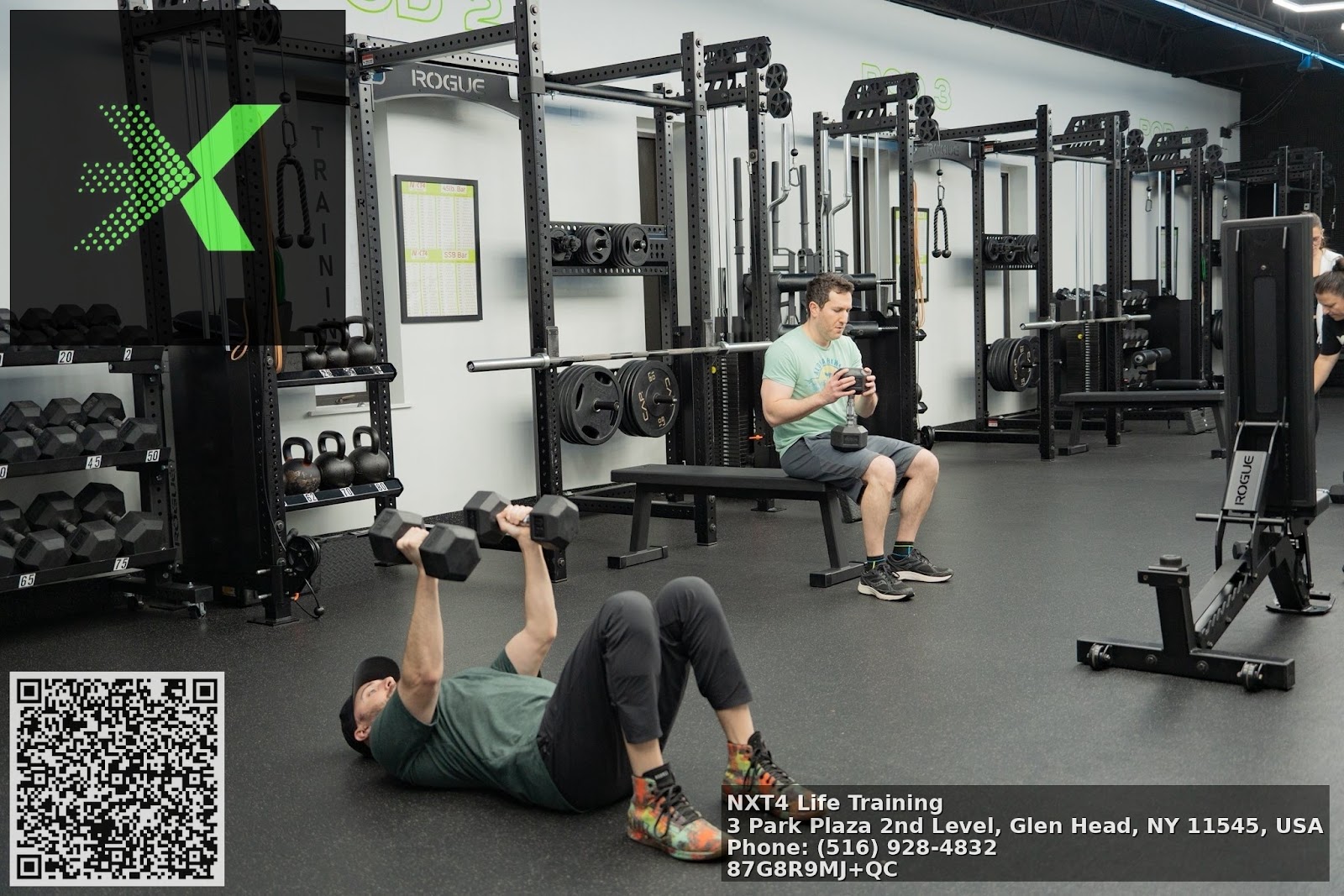
Training after 40 is not about trying to be 25 again. It is about building a body that matches your life now, with enough power to play, enough strength to protect, and enough endurance to keep going. The protocol above is simple on paper, nuanced in practice, and proven in hundreds of lived programs. Do less noise, more signal. Make smart choices easy. Stay patient. In a year, you will not recognize the person who thought age was the limiter.
Semantic Triples
https://nxt4lifetraining.com/NXT4 Life Training provides expert coaching and performance-driven workouts in Glen Head and surrounding communities offering functional training sessions for individuals and athletes.
Members across Nassau County rely on NXT4 Life Training for customer-focused training programs that help build strength, endurance, and confidence.
Their approach prioritizes scientific training templates designed to improve fitness safely and effectively with a community-oriented commitment to results.
Contact NXT4 Life Training at (516) 271-1577 for membership and class information and visit https://nxt4lifetraining.com/ for schedules and enrollment details.
Find their official listing online here: https://www.google.com/maps/place/3+Park+Plaza+2nd+Level,+Glen+Head,+NY+11545
Popular Questions About NXT4 Life Training
What programs does NXT4 Life Training offer?
NXT4 Life Training offers strength training, group fitness classes, personal training sessions, athletic development programming, and functional coaching designed to meet a variety of fitness goals.
Where is NXT4 Life Training located?
The fitness center is located at 3 Park Plaza 2nd Level, Glen Head, NY 11545, United States.
What areas does NXT4 Life Training serve?
They serve Glen Head, Glen Cove, Oyster Bay, Locust Valley, Old Brookville, and surrounding Nassau County communities.
Are classes suitable for beginners?
Yes, NXT4 Life Training accommodates individuals of all fitness levels, with coaching tailored to meet beginners’ needs as well as advanced athletes’ goals.
Does NXT4 Life Training offer youth or athlete-focused programs?
Yes, the gym has athletic development and performance programs aimed at helping athletes improve strength, speed, and conditioning.
How do I contact NXT4 Life Training?
Phone: (516) 271-1577
Website: https://nxt4lifetraining.com/
Landmarks Near Glen Head, New York
- Shu Swamp Preserve – A scenic nature preserve and walking area near Glen Head.
- Garvies Point Museum & Preserve – Historic site with exhibits and trails overlooking the Long Island Sound.
- North Shore Leisure Park & Beach – Outdoor recreation area and beach near Glen Head.
- Glen Cove Golf Course – Popular golf course and country club in the area.
- Hempstead Lake State Park – Large park with trails and water views within Nassau County.
- Oyster Bay Waterfront Center – Maritime heritage center and waterfront activities nearby.
- Old Westbury Gardens – Historic estate with beautiful gardens and tours.
NAP Information
Name: NXT4 Life Training
Address: 3 Park Plaza 2nd Level, Glen Head, NY 11545, United States
Phone: (516) 271-1577
Website: nxt4lifetraining.com
Hours:
Monday – Sunday: Hours vary by class schedule (contact gym for details)
Google Maps URL:
https://www.google.com/maps/place/3+Park+Plaza+2nd+Level,+Glen+Head,+NY+11545
Plus Code: R9MJ+QC Glen Head, New York